


Segmented Hexagon Die,Customized Segmental
GXP Click here
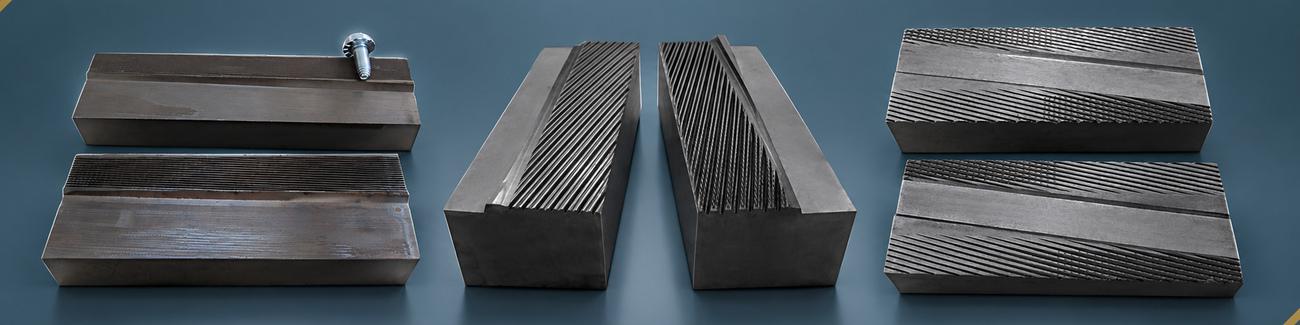
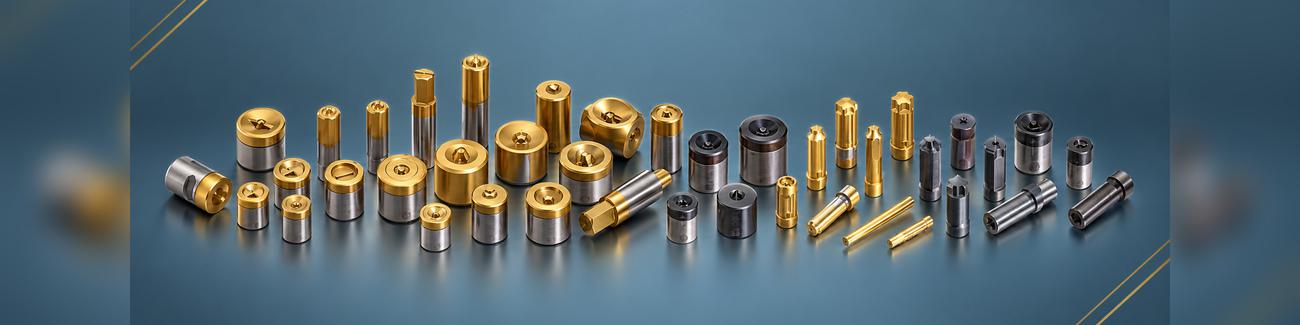
Segmented hexagon dies use multiple forming segments assembled inside a supporting steel case. Together, the segments create a hexagonal working cavity for cold forming fasteners and metal components.Customized segmental dies are designed for specific profiles, part dimensions and machine requirements.
Segmented Hexagon Dies & Customized Segmental Dies
What Is a Segmented Hexagon Die?
A segmented hexagon die is a forming tool with separate working segments arranged to create a six-sided cavity.
It forms external hexagonal features, such as bolt heads or body sections, according to the tooling design.
Main functions:
-
Form the required hexagonal profile.
-
Control across-flat dimensions and corner radii.
-
Guide material flow during forming.
-
Support consistent part dimensions.
What Is a Customized Segmental Die?
A customized segmental die is a multi-piece forming tool made for a specific component or production process.
The cavity profile, segment arrangement and case dimensions follow the part drawing and forming requirements.
Main functions:
-
Form hexagonal, square or special profiles.
-
Support the workpiece under forming pressure.
-
Fit the specified machine and tooling assembly.
-
Provide a segmented construction suited to the application.
Materials and Construction
| Component | Typical Material | Function |
|---|---|---|
| Forming segments | Cemented tungsten carbide, commonly with a cobalt binder | Provides wear resistance and compressive strength |
| Supporting case | Heat-treated alloy steel or tool steel | Holds and supports the segments |
Carbide grade selection depends on wire material, forming load and profile geometry. Accurate segment fit and proper case support are essential for reliable operation.
Custom Options and Applications
Custom options:
-
Hexagonal and special forming profiles.
-
Across-flat dimensions and corner radii.
-
Segment arrangement and cavity depth.
-
Machine-specific case dimensions.
-
Required tolerances and surface finishes.
Typical applications:
-
Hex-head bolts and screws.
-
Fasteners with hexagonal body sections.
-
Special cold-formed metal components.
Information Required for a Quote
Please provide:
-
Finished-part and tooling drawings.
-
Across-flat dimensions, corner radii and tolerances.
-
Wire material and diameter.
-
Machine model and die case dimensions.
-
Forming stage and reference samples, if available.
FAQ
What is the difference between segmented and segmental dies?
Both terms describe dies made with multiple working segments. The exact construction depends on the tooling design.
Is a segmented hexagon die the same as a hexagon trimming die?
No. A forming die shapes metal through deformation. A trimming die removes excess material to create the required outline.
Does the die open during each forming cycle?
Not necessarily. Many segmented dies remain fixed inside the supporting case during production.
Can individual segments be replaced?
Replacement may be possible, depending on the design. Segment matching, case condition and fit must be inspected before reuse.
Why use tungsten carbide segments?
Tungsten carbide provides high wear resistance and compressive strength, helping maintain the working profile during repeated forming.
Can other profiles be customized?
Yes. Square and special profiles can be reviewed according to your drawings and production requirements.
Request a Quote
Send your drawings and production requirements for a review of the segment design, material and tooling dimensions.