


Premium Customized Carbide Taptite Serration Die, Moulds
GXP Click here
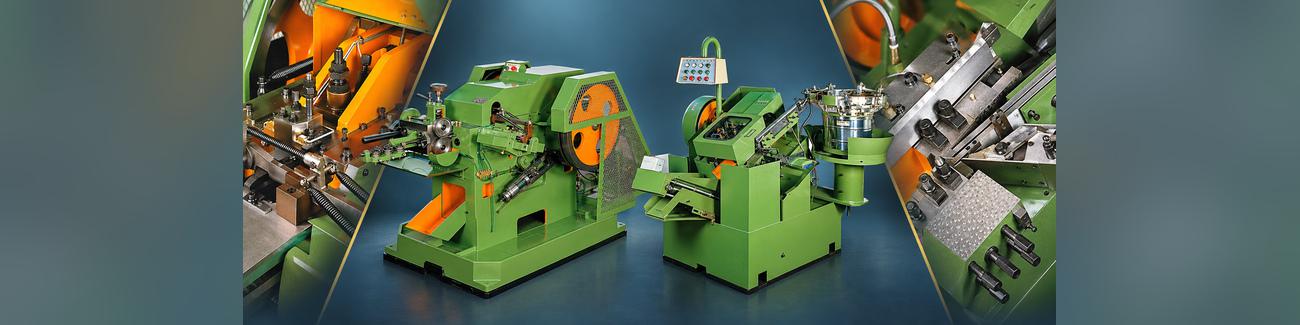
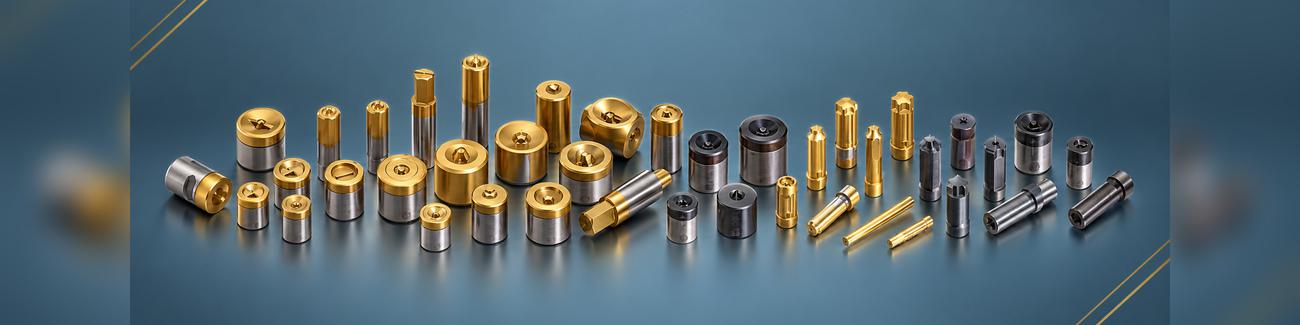
Customized carbide dies and moulds are precision tools used to form screw blanks and special fastener features.
Tooling for customized screw production forms the specified blank geometry before thread rolling. Serration dies form teeth or grooves at locations defined by the part drawing. These features may require separate tools or forming stages.
Each die is designed around the component dimensions, wire material and machine requirements.
Premium Customized Carbide Dies & Moulds for Screw with Serration Forming
What Is a Carbide Die or Mould?
A carbide die is a metal-forming tool with a wear-resistant carbide working surface. It typically consists of a tungsten carbide insert supported by a steel case.
Mould is a broader term for a shaping tool. For cold heading and fastener production, die is the more specific term.
Main functions:
-
Hold and support the metal blank.
-
Guide material flow during forming.
-
Control the required dimensions and profiles.
-
Maintain consistent part geometry.
Tooling for Customized Screw Production
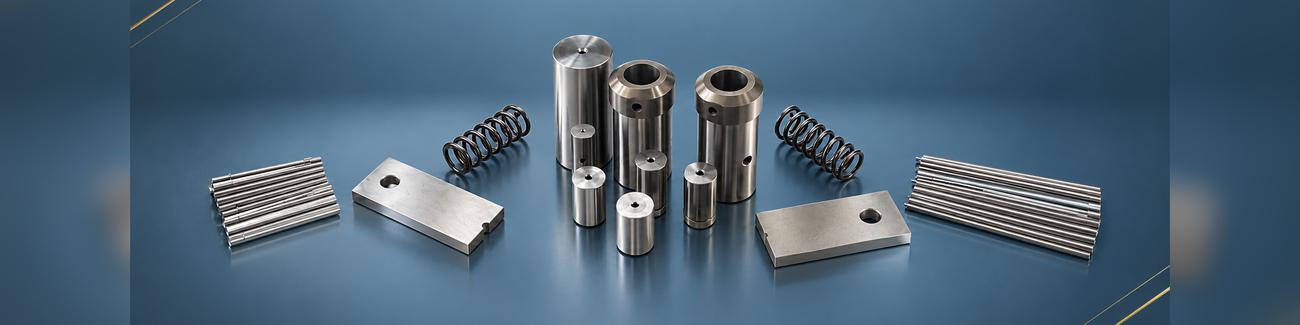
Custom heading dies form the required screw blank geometry for subsequent thread rolling. The finished thread is produced by thread rolling tooling.
Die dimensions and profiles must follow the applicable product specifications and customer drawings.
What Is a Serration Die?
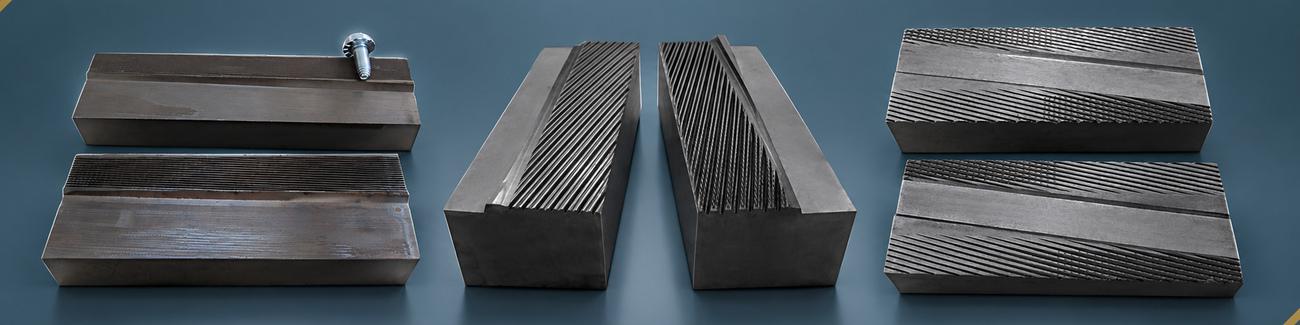
A serration die forms a series of teeth or grooves on a fastener, such as beneath the head or on a specified body section.
Main functions:
-
Form the required tooth pattern.
-
Control tooth count, spacing, angle and depth.
-
Produce features intended to improve grip or resist rotation.
The function of the serrations depends on their design and location. They are separate from the three-lobed profile associated with TAPTITE® screws.
Materials and Construction
| Component | Typical Material | Function |
|---|---|---|
| Working insert | Cemented tungsten carbide, commonly with a cobalt binder | Provides wear resistance and compressive strength |
| Die case | Heat-treated alloy steel or tool steel | Holds and supports the insert |
Carbide grade selection depends on wire hardness, forming load and profile complexity. The appropriate grade balances wear resistance and toughness.
Custom Design Options
-
Drawing-specific blank profiles.
-
Straight or stepped bores.
-
Serration patterns and forming cavities.
-
Machine-specific die case dimensions.
-
Required tolerances and surface finishes.
Final tooling design depends on the complete forming sequence.
Information Required for a Quote
Please provide:
-
Finished-part and tooling drawings.
-
Wire material and diameter.
-
Machine model and die case dimensions.
-
Blank profile and serration specifications.
-
Required tolerances and reference samples.
FAQ
Are a taptite screw profile and serrations the same?
No. The three-lobed profile relates to the screw’s thread-forming design. Serrations are separate teeth or grooves used for a specified function.
Does a heading die form the finished screw thread?
The heading die forms the blank. Thread rolling dies produce the external thread in a later operation.
Why use tungsten carbide?
Tungsten carbide provides high wear resistance and compressive strength, helping maintain the working profile during repeated forming.
Can the die profile be customized?
Yes. Blank geometry, bore dimensions, serrations and case dimensions can be reviewed according to your drawings.
What affects die service life?
Carbide grade, tool geometry, insert support, lubrication, machine alignment and forming load all affect service life.
Request a Quote
Send your drawings and production requirements for a review of the tooling design and material.