
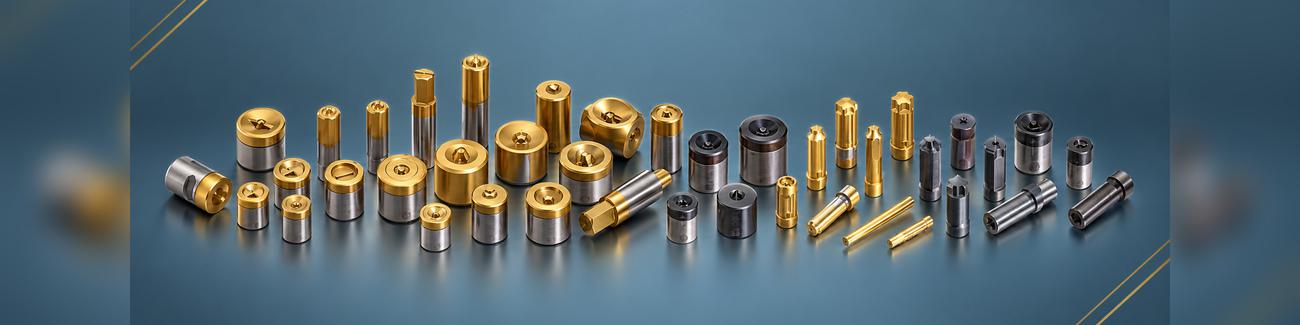

Taptite Heading Die for S, C, B, P type Tungsten Carbide Fastener Forming Tools
GXP Click here
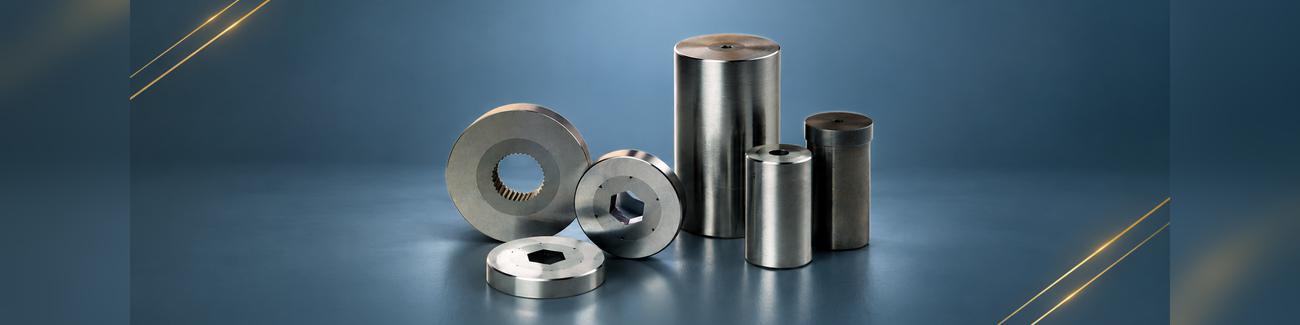
Tungsten carbide heading dies form screw blanks during cold heading. They support the wire material and control the body dimensions and profile before thread rolling. S, C, B and P type tooling is reviewed according to the specified screw design, part drawings and machine requirements.
A Taptite heading die is a forming tool used to produce blanks for the specified taptite screw design.
The die works with punches to form the blank. Separate thread rolling dies produce the external thread in a later operation.
Main functions:
-
Hold and support the wire blank.
-
Form the required body profile.
-
Guide material flow during heading or extrusion.
-
Maintain consistent blank dimensions for thread rolling.
S, C, B & P Type Options
Dies can be configured for S, C, B and P type requirements based on the supplied specifications.
Type codes alone do not fully define the tooling. Please provide drawings showing the required body profile, end geometry, dimensions and tolerances.
Materials and Construction
| Component | Typical Material | Function |
|---|---|---|
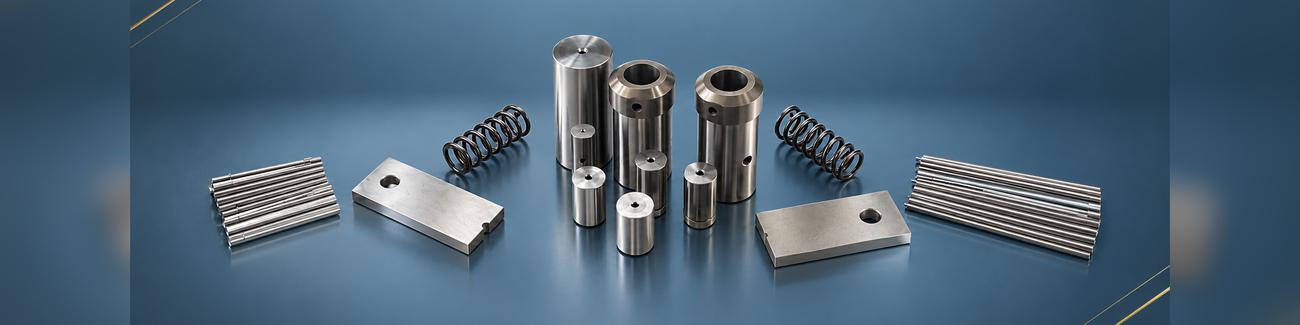
| Working insert | Cemented tungsten carbide, commonly with a cobalt binder | Provides wear resistance and compressive strength |
| Die case | Heat-treated alloy steel or tool steel | Holds and supports the carbide insert |
The carbide grade is selected according to wire material, forming load and die geometry. Proper selection balances wear resistance and toughness.
Custom Tooling Options
-
Drawing-specific body profiles.
-
Straight or stepped bores.
-
End-forming and extrusion features.
-
Machine-specific die case dimensions.
-
Required tolerances and surface finishes.
Information Required for a Quote
Please provide:
-
Screw type and finished-part drawing.
-
Wire material and diameter.
-
Screw size and length.
-
Machine model and die case dimensions.
-
Tooling drawings or reference samples, if available.
FAQ
What does the heading die form?
It forms and controls the screw blank’s body geometry. The punches form the head and other features according to the tooling arrangement.
Does this die form the screw thread?
No. External threads are produced by separate thread rolling dies after heading.
What is the difference between S, C, B and P types?
The required geometry must be confirmed from the applicable specification or drawing. The letter code alone is insufficient to define the die.
Why use tungsten carbide?
Tungsten carbide provides high wear resistance and compressive strength, helping maintain the die profile during repeated forming.
Can the die be customized?
Yes. Bore profiles, forming features and case dimensions can be reviewed according to your drawings and machine requirements.
What affects die service life?
Carbide grade, insert support, wire condition, lubrication, machine alignment and forming load all affect service life.
Request a Quote
Send your screw drawings, wire specifications and die case dimensions for a tooling review.